Chlorine or Bromine in an Inflatable Hot Tub: Which Suits How You Actually Use It
As an Amazon Associate we earn from qualifying purchases. This page contains affiliate links — if you buy through them, we earn a small commission at no extra cost to you.
Choosing the right sanitiser for an inflatable hot tub comes down to one variable most owners overlook: how often the tub gets used each week. It isn’t about brand preference or even price as the primary driver—it’s about matching the chemical’s behaviour to your usage rhythm. Chlorine works for frequent soaks; bromine suits a more occasional schedule. This guide maps each option to its natural home.
Why Sanitiser is Non-Negotiable
Hot tub water provides an ideal breeding ground for bacteria, thriving in the warm environment. Every user introduces contaminants like sweat and skin oils, creating a potential health risk without an effective control agent.
Chlorine and bromine both perform the essential task of killing harmful microorganisms and breaking down organic waste. Skipping this step turns your tub into a hazard. The Pool Water Treatment Advisory Group (PWTAG), which sets standards for UK public pools, emphasises the need for a continuous sanitising regime rather than sporadic shock treatments. For a home spa, this translates to selecting a primary sanitiser and maintaining the correct pH to ensure it remains effective.
Chlorine: Quick Action, Lower Cost
Chlorine’s long-standing popularity stems from its rapid action against bacteria and its relatively low cost. It oxidises contaminants on contact, making it particularly useful for dealing with bather waste immediately after use.
However, chlorine is less stable in hot water and dissipates faster than bromine, necessitating more frequent top-ups if the tub is kept warm between soaks. Its effectiveness is also highly dependent on pH levels; it becomes significantly less potent when the pH rises much beyond 7.8. Chlorine can irritate sensitive skin, though plenty of people use it without any problems.
Bromine: Stability and Gentleness
Bromine offers a different chemical profile. It remains active over a broader pH range and maintains its potency for longer in consistently warm water. This makes it a strong candidate for hot tubs used infrequently, as it provides sustained protection between soaks.
Many find bromine to be gentler on the skin, and it typically produces less of the strong chemical odour associated with chlorine. For households where skin sensitivity is a concern, a product like Safe Splash Bromine Tablets (paid link) is worth considering due to its forgiving nature.
See Safe Splash Bromine Tablets on Amazon → (paid link)
The main drawback is cost; bromine is generally more expensive per dose than chlorine. A critical safety rule: never mix chlorine and bromine in the same water. A dangerous chemical reaction can occur. To switch from one to the other, a complete drain and refill is mandatory.
Making the Choice for Your Tub
Your usage pattern is the deciding factor.
For frequent use (three or more times per week): Chlorine is the logical choice. Its faster action and lower running cost align well with regular maintenance. Just be prepared to monitor pH levels closely.
For occasional use (weekends or less): Bromine’s stability makes it the better fit. It remains active longer, reducing the risk of bacteria gaining a foothold between uses. The higher cost is easier to justify with less frequent dosing.
If skin sensitivity is a primary concern: Bromine is generally the preferred starting point. However, always consult a healthcare professional if there are specific skin conditions.
Crucial manufacturer check: Your tub’s manual may specify a preferred chemical system. Using an unsanctioned sanitiser can affect performance and potentially void warranties. Always verify compatibility first.
Now that you understand the core choice, the next logical step is considering what the rest of your chemical kit should contain once the sanitiser decision is made. Our guide on the minimum chemical kit details exactly that.
Avoiding Common Pitfalls
Several recurring mistakes can undermine your sanitising efforts.
Mixing sanitisers: As stated, chlorine and bromine must never be combined. Always drain fully before switching.
Insufficient circulation: After adding sanitiser, run the pump for a sufficient period to ensure even distribution. Inadequate circulation leaves dead spots where bacteria can survive.
Ignoring pH balance: Always test and adjust pH before adding your sanitiser, especially chlorine, which is highly pH-sensitive. Maintain a pH between 7.2 and 7.6. Outside this range, water can become corrosive or scaling, and more critically, sanitiser effectiveness plummets. pH management is about keeping your chosen sanitiser working within its effective window.
Over-reliance on test strips: While convenient for quick checks, test strips can be difficult to read accurately. For precise dosing, a liquid test kit provides greater confidence. Test the water before each use as a minimum. Also test after heavy use or after adding chemicals. Consistent testing is the simplest way to prevent most water quality issues.
Overdosing: Adding more sanitiser than recommended doesn’t improve safety; it increases the risk of skin irritation and can damage tub components. Always dose according to your tub’s water volume.
Chlorine vs Bromine: At a Glance
| Feature | Chlorine | Bromine |
|---|---|---|
| Best For | Daily or frequent use | Infrequent use (weekends) |
| Cost | Lower upfront and per dose | Higher per dose |
| Stability | Dissipates quickly in warm water | Remains active longer between uses |
| Skin Sensitivity | Can cause irritation for some | Generally gentler on sensitive skin |
| pH Sensitivity | Stops working if pH drifts above 7.8 | Works across a wider pH range |
| Mixing | Cannot be mixed with bromine | Cannot be mixed with chlorine |
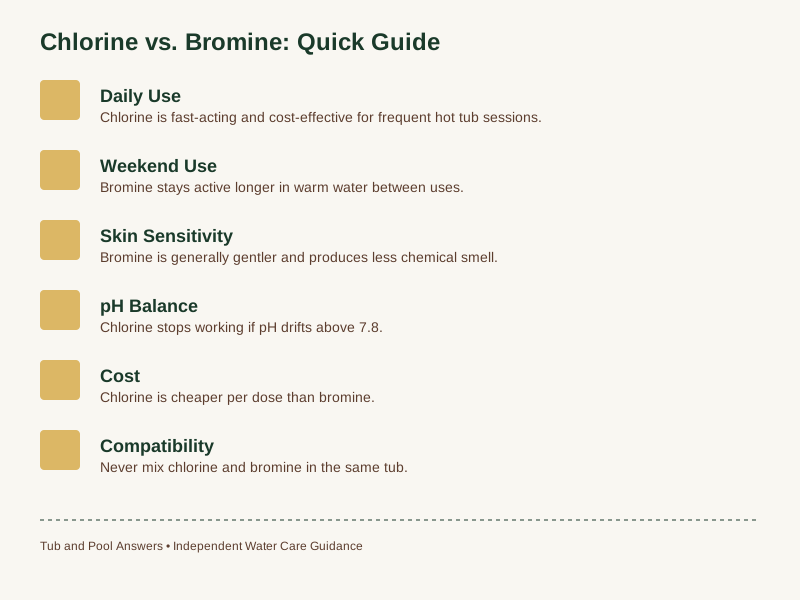
The right sanitiser hinges on your specific circumstances. For daily use, chlorine’s attributes are a natural fit. For weekend soakers, bromine’s persistence justifies the extra expense. And if skin sensitivity is a factor, bromine is the sensible first choice. Always let your manufacturer’s guidelines have the final say.
Once the sanitiser is sorted, the rest of your water care routine becomes a manageable cycle of testing and balancing.
As an Amazon Associate we earn from qualifying purchases. The products linked above are ones we recommend based on independent research and owner feedback.
Note: General guidance only, verify details with a qualified professional or official source.