Cleaning Hot Tub Pipes Before a Refill: Is a Flush Product Worth It?
As an Amazon Associate we earn from qualifying purchases. This page contains affiliate links — if you buy through them, we earn a small commission at no extra cost to you.
Biofilm—a slimy layer of bacteria, oils, and skin cells—accumulates in hot tub pipework between refills, creating a contamination source that survives draining.
This persistent buildup explains why fresh water can turn cloudy or develop musty odours shortly after a refill, even when the tub shell appears clean. Understanding when to address this hidden issue with a flush product, and when to skip it, comes down to recognising the specific symptoms that justify the intervention.
The Problem of Pipe Contamination
Draining removes water from the tub but leaves behind what’s growing on the interior surfaces of the plumbing. Biofilm forms naturally from bather waste like sweat, lotions, and dead skin cells, adhering to pipe walls and jet interiors much like grease coats kitchen drains.
This matters because biofilm harbours bacteria that can survive normal sanitiser levels. The Pool Water Treatment Advisory Group (PWTAG) advises that pipework should be flushed before reopening spa pools after a shutdown to address bacteria colonising the plumbing. Similarly, the Health and Safety Executive’s HSG282 guidance states that maintenance must cover the entire system, including accessible pipework and jets.
In practice, this means freshly balanced water becomes contaminated within days as it circulates through coated pipes. The result is recurring cloudiness, musty smells, or that persistently “off” water quality that frustrates owners who’ve just completed a thorough drain and refill.
When a Flush Makes Sense
A dedicated pipe cleaner like Aquasparkle Hot Tub Flush (paid link) earns its cost when you experience specific recurring symptoms after refills. The clearest indicators include musty odours that return quickly, cloudiness appearing in fresh water, or a persistent scum line despite proper filtration.
See Aquasparkle Hot Tub Flush on Amazon → (paid link)
These patterns suggest biofilm has taken hold in the plumbing. Flush products work by loosening this buildup from pipe walls so it circulates out during draining. They’re targeted chemistry designed for a specific job—using one without these symptoms means spending money unnecessarily.
If your water remains clear and odour-free after refills, a thorough shell cleaning with a fresh filter and balanced chemistry is typically sufficient. A flush isn’t a substitute for regular maintenance; if you find yourself needing one frequently, the underlying issue likely lies with your water care routine rather than requiring repeated deep cleaning.
Application Process Explained
Most pipe cleaners follow a similar application method, though specific instructions vary by product. The general approach involves adding the product to a full tub via the filter housing.
First, remove the filter cartridge to ensure the solution reaches the plumbing rather than being trapped in the filter media. Add the recommended dosage based on your tub’s volume directly into the filter housing. Run the jets on high speed for sufficient circulation—typically following the product’s specified duration—to distribute the cleaner throughout the pipework.
Allow the solution to soak overnight, as contact time is crucial for penetrating and loosening biofilm. Manufacturers emphasise that adequate soaking delivers the results, so rushing this step reduces effectiveness. After soaking, drain the tub completely, taking the loosened contamination with the wastewater. Rinse the shell before refilling with fresh water.
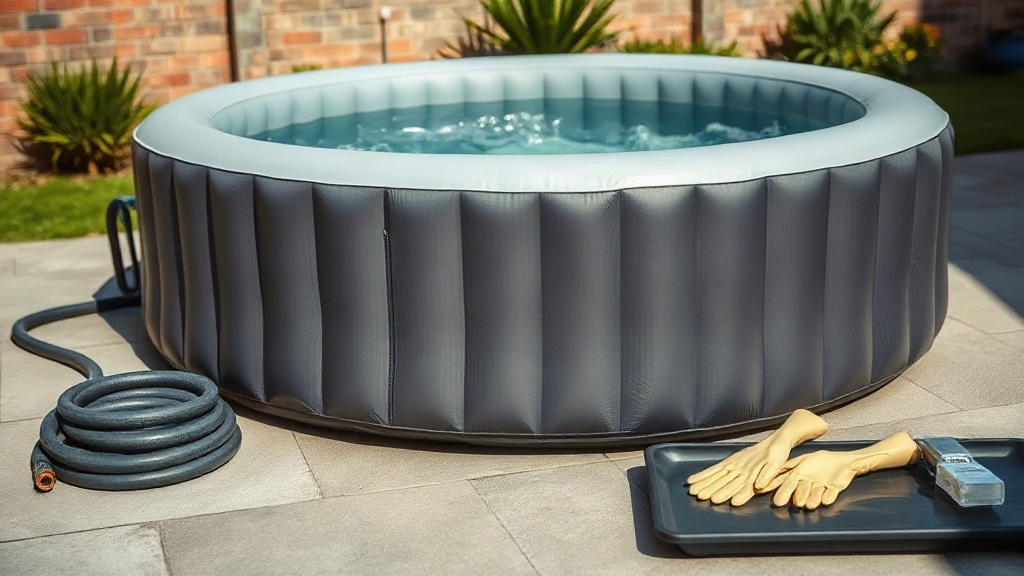
For draining, most inflatable hot tub owners use the built-in drain valve. Proper hose placement beforehand prevents patio flooding and makes the process smoother.
Available Product Types
UK market options fall into several categories, each with different intended uses:
System flushes target the gradual buildup that accumulates over months of regular use, designed for periodic maintenance every few water changes.
Pipe cleaners provide a deeper clean applied at draining time, typically requiring jet circulation and overnight soaking to address established biofilm causing recurring odours or cloudiness.
General surface cleaners work well for cleaning the tub shell but lack the formulation for deep pipe cleaning, making them unsuitable substitutes for dedicated flush products when biofilm is the issue.
The right choice depends entirely on your situation—recurring problems justify a system flush or pipe cleaner, while trouble-free water means you can postpone the purchase.
Comparing Cleaner Approaches
| Feature | Pipe Cleaner | System Flush |
|---|---|---|
| Best Application | One-off deep clean before refill | Routine maintenance every few months |
| Method | Added to full tub, then drained | Added to full tub, then drained |
| Primary Goal | Remove existing biofilm | Prevent biofilm accumulation |
| Typical Use Case | Recurring odours or cloudiness | Regular maintenance for prone systems |
Addressing Common Concerns
Can bleach clean hot tub pipes effectively? Using bleach risks damaging seals, plastics, and internal pump components. It’s also harder to rinse completely from plumbing than purpose-made cleaners, potentially leaving residues that affect water chemistry. Dedicated pipe cleaners are formulated to avoid these issues.
What’s the right flushing frequency? Flush when you experience recurring scum, musty smells, or cloudiness after refills. If your water stays clear, save the product for when problems actually emerge. Regular flushing without symptoms is unnecessary.
When do you apply pipe cleaner? Most products are added to a full tub via the filter housing, with draining following the soak period. Always check your specific product’s instructions as methods vary between brands.
Making the Decision
A pipe flush proves worthwhile when drainage alone fails to resolve recurring water quality issues. For trouble-free water, it remains an optional product for future need.
Biofilm establishes quickly in warm, wet environments, making post-use jet operation, regular filter maintenance, and consistent water testing crucial prevention measures. A flush serves as a reset, not a replacement for routine care.
For a structured approach to water maintenance—covering chemistry, filter checks, and pre-refill steps—our free checklist provides clear guidance.
Get the Free Hot Tub Water Checklist — organised maintenance steps to follow before your next drain.
If a thorough flush doesn’t resolve your contamination issues, the next consideration becomes whether to pursue more intensive treatment or complete drainage. Our guide on drain-or-treat decisions explores this choice when basic cleaning proves insufficient.
Related Guides
- Drain and Refill, or Treat the Water You’ve Got? The Breakpoint
- Hot Tub Water Balance: pH, Alkalinity and UK Hard Water
As an Amazon Associate we earn from qualifying purchases. The products linked above are ones we recommend based on independent research and owner feedback.
Note: General guidance only, verify details with a qualified professional or official source.