Draining a Lay-Z-Spa Without a Pump: The Garden Hose Method and Where the Water Should Go
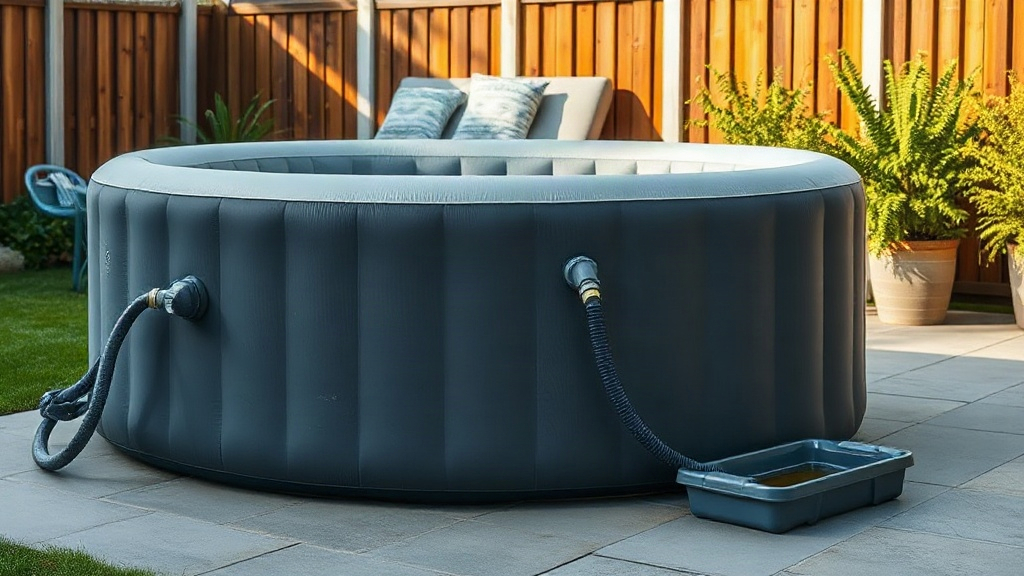
Before you can start siphoning water from your Lay-Z-Spa, you need to decide exactly where it will go—a decision that carries legal and environmental weight. Where the water can go safely and legally must be settled before the siphon starts; the outlet determines the method, not the other way around.
Draining without a pump is possible using either a proper drain adaptor or a DIY siphon with a garden hose. Both methods work, but they differ dramatically in what happens when things go wrong. The adaptor offers control; the siphon trades reliability for zero cost.
This guide covers both techniques step by step, but focuses on the part most tutorials skip: determining the right destination for your spa water before you open the valve.
Choosing Your Drain Method
You have two options for emptying a Lay-Z-Spa without a pump, each with distinct trade-offs.
Method 1: The Drain Adaptor
This approach uses the spa’s built-in drain valve with a dedicated adaptor that connects a garden hose. Water flows out under gravity in a controlled manner. It’s the method Lay-Z-Spa designed for, and having the right adaptor makes the process straightforward.
Method 2: The DIY Siphon
This technique involves filling a garden hose with water, submerging one end, and creating a gravity flow. While it requires no extra equipment, getting the siphon started can be fiddly, and once water is flowing, you have little control over its path.
The bottom line: For regular maintenance, the adaptor’s reliability justifies its modest cost. For a one-off emergency drain when you have no other option, the siphon works but demands careful setup.
Method 1: Using the Drain Adaptor
This manufacturer-recommended method takes just a few minutes of active work; the rest is waiting for gravity to do its job.
Follow this sequence:
Remove the filter and fit stopper caps. According to the Lay-Z-Spa manual, you must remove the filter cartridge and insert the stopper caps before opening the drain valve. This prevents water from flooding the filter housing during drainage.
Screw the drain adaptor onto the drain valve. Hand-tighten the threaded fitting; no tools are needed.
Attach your garden hose to the adaptor. Ensure a snug connection to prevent leaks under pressure.
Route the hose to your planned drainage point. (The importance of choosing the right location is covered next.)
Lift the internal drain plug. This releases water to flow through the hose via gravity.
Open the bottom drain valve. On some models, a secondary valve at the lowest point releases the final litres once the main flow slows.
Disconnect the hose, close the valves, and store the adaptor.
If your spa didn’t include an adaptor, they’re inexpensive and widely available. Check compatibility with your specific Lay-Z-Spa model before purchasing.
For the complete seasonal process, the How to Pack Away Your Lay-Z-Spa guide covers draining through to drying and storage.
Method 2: The Garden Hose Siphon Technique
This budget option uses equipment you already own, but requires patience and precision.
The procedure:
Submerge the entire hose in the spa water, ensuring it fills completely without air pockets.
Keep one end submerged and seal the other end with your thumb or a plug to maintain the water column.
Weight the submerged end with a brick or stone to keep it at the bottom.
Take the free end to your drainage point, keeping it lower than the spa water level, and release the seal.
Gravity creates a siphon flow that continues until levels equalise or the spa empties.
The physics is reliable, but the practicalities are not. Priming a long hose without air bubbles can take several attempts. Once flowing, you cannot easily stop or redirect the water if the hose shifts or the drainage point backs up.
Important: A siphon offers no mid-flow control. Before releasing the seal, visually confirm the entire water path leads to your intended destination.
Where Should the Water Go?
This is the most overlooked yet critical aspect of draining a hot tub. Chlorinated or brominated water, even when clear, isn’t harmless.
The common error: Assuming “clear” water is safe for any destination. While a small amount of diluted sanitiser might not cause issues, a full Lay-Z-Spa holds hundreds of litres—enough to damage plants or contaminate waterways if sent to the wrong place.
The environmental concern: Sanitisers at spa concentration levels can harm grass, plants, and aquatic life. If your garden drains to a surface water system (designed for rainwater), the chemicals could reach local streams. UK water systems keep foul and surface water separate for this reason.
Your drainage options:
Foul drain: Often the preferred destination for chemically treated water, as kitchen and bathroom drains typically connect to the foul sewer system. Verify with your water company if unsure.
Soakaway: If your property has one, a soakaway can handle the volume, but chemical content remains a consideration. Letting sanitiser levels drop naturally before draining reduces the impact.
Natural degradation: Leaving the cover off for a day or two after the last chemical dose allows sanitiser levels to decrease significantly, though not to zero.
Regulatory guidance: While no single UK law covers domestic spa drainage, the Environment Agency and water companies generally advise against discharging chemically treated water into surface water drains or watercourses. Check with your local water company or council, especially if you live in an environmentally sensitive area.
The How to Winterise a Hot Tub guide provides the full winter shutdown sequence, including drainage and spring recommissioning checks.
Drain Method Comparison
| Feature | Drain Adaptor | DIY Siphon |
|---|---|---|
| Reliability | High — manufacturer designed | Moderate — requires careful setup |
| Control | Precise flow control | Limited once initiated |
| Cost | Low (one-time purchase) | Free (uses existing hose) |
| Best For | Regular maintenance | Emergency one-off use |
Frequently Asked Questions
Can I drain a Lay-Z-Spa into a surface water drain?
Typically not. Surface water drains discharge directly into the environment, and sanitisers can harm aquatic ecosystems. Direct the water to a foul drain instead, or consult your local water company for guidance.
How long does draining a Lay-Z-Spa take?
Using the adaptor method, most of the water drains while you attend to other tasks. The duration depends on your hose setup and drainage point elevation. The final water at the base drains quickly once the bottom valve is opened.
Is removing the filter necessary before draining?
Yes. The Lay-Z-Spa manual specifies removing the filter and inserting stopper caps before opening the drain valve. This simple step prevents potential issues with the filter housing.
The adaptor provides the most controlled approach, but your choice of drainage destination matters more than the method itself. Taking a moment to verify where your water will end up prevents problems with neighbours or the environment. Remember that emptying is only half of the process—for proper winter storage, our winter storage guide covers the essential drying and storage steps you’ll need after draining. Always check your local drainage rules before starting.
Related Guides
For guidance on when to drain versus treat your water, see Drain and Refill, or Treat the Water You’ve Got? The Breakpoint .
Note: General guidance only. Always verify specific drainage regulations with your local water company or council.