How Often Should You Change the Water in an Inflatable Hot Tub? It Depends on Three Things
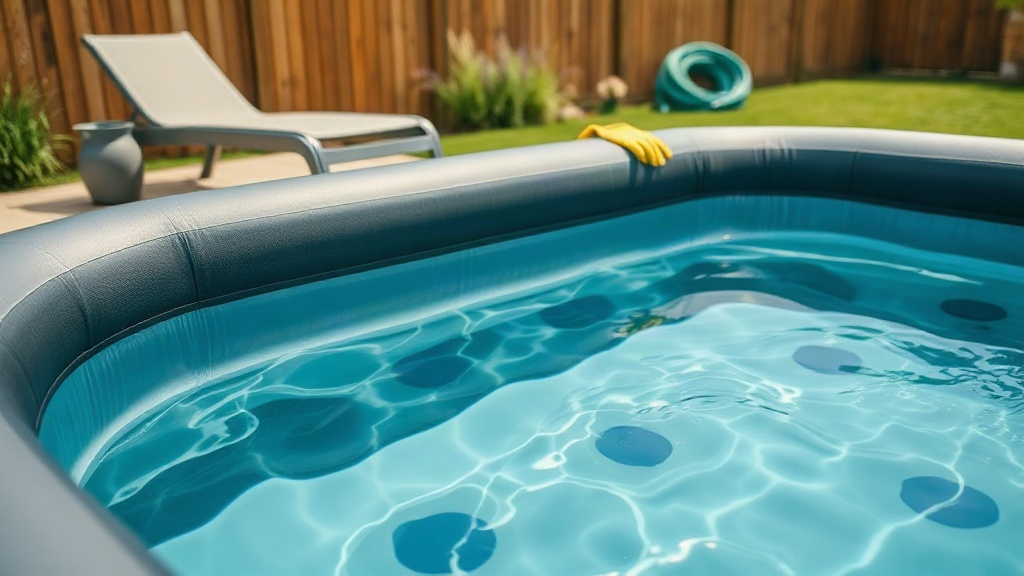
Three factors can stretch or shrink your water-change interval far beyond the standard three-month recommendation: bather load, chemical discipline, and your tub’s volume. Bather load determines how much organic matter enters the water; poor chemical discipline allows that load to overwhelm your sanitiser; and smaller tub volumes concentrate contaminants faster than larger ones. Understanding these three variables helps you move past calendar-based rules to a schedule that matches your actual usage.
As an Amazon Associate we earn from qualifying purchases. Some links on this page are affiliate links, which means we may earn a small commission if you make a purchase.
The Manufacturer’s Guideline Versus Real-World Use
Many manuals recommend changing water every 1–3 months depending on use. This range gets repeated frequently, but what does it actually mean in practice?
That three-month figure represents an outer boundary rather than a target to aim for. Pushing beyond it means operating outside recommended parameters, while needing to change water before this point suggests your specific conditions demand more frequent maintenance.
What typically breaks the schedule isn’t time itself but usage patterns. Compare a tub used by two people weekly during winter with one running daily for four bathers throughout summer. Add sunscreen, swimwear residue, and incomplete pre-soak rinsing, and the three-month mark becomes largely irrelevant.
The “clear but contaminated” phenomenon also catches owners off guard. Water might appear perfectly transparent yet feel oily or emit a faint odour when the lid lifts. These signs indicate dissolved contaminants—sweat, soaps, skincare products—that haven’t yet manifested as cloudiness. Clear water doesn’t automatically mean clean water.
If your tub remains within the manufacturer’s suggested range with balanced, odour-free water, don’t drain just because the calendar suggests it. But if degradation signs appear as you approach this window, trust the water’s signals over the schedule.
Your Personal Water-Change Triggers
Three key elements determine how frequently your inflatable hot tub requires draining:
Usage frequency stands as the most obvious factor. More sessions mean greater organic load entering the water—sweat, skin cells, residual personal products. A family enjoying daily summer soaks accumulates this load much faster than a couple using their tub twice monthly.
Bather preparation influences water quality more than many realise. Did everyone rinse thoroughly before entering? This single variable within any usage pattern significantly impacts water longevity. Sweat and skincare oils drive sanitiser consumption and dissolved solid buildup. Clean entrants extend water life; bathers carrying sunscreen, lotions, or day-old sweat introduce extra contamination immediately.
Water hardness often goes unmentioned until problems arise. Much of the UK experiences hard or very hard water conditions. Each refill introduces dissolved minerals—primarily calcium and magnesium. As water evaporates and chemicals accumulate, these minerals concentrate. Hard water complicates pH control, risks heater scaling, and shortens effective water life. Topping up in hard-water areas simply compounds the issue.
These factors interact dynamically. Light use with good bather hygiene and soft water might approach the manual’s maximum limit. Heavy use without pre-soak showers in very hard water likely requires changes well before the three-month mark. This variability explains why fixed calendar rules feel so arbitrary.
Consider the manufacturer’s interval as the furthest acceptable boundary, then monitor your water for signs demanding earlier action. When the water signals trouble before the deadline, believe the water.
Now you understand what to monitor—Get the Free Hot Tub Water Checklist to track these factors systematically.
Signs Demanding Immediate Water Change
Sometimes schedules become irrelevant. These red flags indicate you should drain immediately, regardless of elapsed time:
Persistent odours serve as reliable indicators. A sharp chemical smell—often misinterpreted as excessive chlorine—usually signals combined chlorine compounds reacting with organic waste, indicating overwhelmed sanitiser. A musty, earthy odour suggests biofilm or bacterial growth. Neither situation responds well to additional chemicals alone—drain and clean thoroughly.
Cloudy water resisting clarification after shock treatment and filter cleaning indicates contamination beyond your system’s capacity. Adding clarifier or extra sanitiser at this stage typically worsens the situation. The water needs complete renewal.
Unstable chemical balance—pH fluctuating despite careful dosing, or steadily climbing alkalinity—often points to high dissolved solids from hard water or accumulated contaminants. When water chemistry becomes unmanageable, draining and refilling provides the only reliable solution.
Clear but slimy water catches many owners unprepared. Water appears fine until you enter and notice a coated skin feeling or temporary irritation that resolves after showering. This indicates biofilm formation on surfaces—microbial contamination not yet visible as cloudiness. Once visible contamination appears, the problem is already established.
Green water or visible algae means drain immediately, perform comprehensive cleaning including pipework, and start fresh. Don’t attempt salvage through extra chemicals.
Practical Water Life Extension Strategies
If frequent draining seems undesirable, several practices can extend your water interval without compromising quality:
Pre-use rinsing remains the most effective measure. A quick shower removes sweat, deodorant residue, and accumulated skin oils. This free, quick step significantly impacts how long water remains manageable.
Weekly filter maintenance proves essential. A clogged filter cannot perform effectively, compromising water quality even with correct chemical levels. Rinse under running water every few days during heavy use, replacing according to manufacturer guidelines—sooner under demanding conditions. Neglecting this accelerates cloudiness and odour development, often wrongly blamed on chemicals.
Pre-filter or mesh sock installation on the inlet captures hair, debris, and garden matter before reaching the filter. Preventing debris from reaching the cartridge reduces clogging frequency, helping maintain clearer water for longer periods.
Regular shocking maintains water freshness. Non-chlorine shock after heavy use or weekly clears organic waste that standard sanitiser struggles with, reducing daily chemical load. Products like Aquasparkle Non-Chlorine Shock (paid link) work best as preventive maintenance rather than emergency treatment for compromised water.
View Aquasparkle Non-Chlorine Shock on Amazon → (paid link)
Contamination awareness helps prevent problems. Standard laundry detergent on swimwear leaves residues entering the water. Fabric conditioners have similar effects. Rinsing swimwear in clean water before use, or using technical fabric detergents, reduces another contamination source.
These practices aren’t complicated but require consistent application. Maintenance often slips not through negligence but because water care remains background until problems emerge.
Common Water Change Questions
Does topping up water substitute for draining?
Topping up dilutes chemicals while adding more dissolved solids, particularly with hard water supplies. This works as a temporary measure only—eventually dissolved solids accumulate beyond practical balancing. Needing weekly top-ups suggests water approaches the end of its usable life.
Do different hot tub types affect change frequency?
Yes. Inflatable models—including Lay-Z-Spa, CleverSpa, and Intex—feature smaller water volumes and lower-flow pumps compared to hard-shell acrylic tubs. This means contamination concentrates faster with less filtration capacity. The same principles apply, but inflatable owners should consider shorter intervals within recommended ranges.
Is draining cheaper than continuously treating poor water?
Typically yes. Operating with unbalanced water increases sanitiser consumption, creates persistent pH instability, and eventually requires draining anyway—just with greater chemical expense and more cleaning difficulty. Draining and refilling resets everything at the cost of water plus startup chemicals, usually proving more economical than prolonged chemical battles.
Making Your Water Change Decision
Knowing when to change your water ultimately depends on recognising the breakpoint between manageable maintenance and necessary renewal. Once you’ve determined your change interval using the factors above, our breakpoint guide helps you decide whether treatment can extend that period or whether full draining remains the only viable option.
For systematic tracking without memorising every factor, the free checklist covers testing through action points.
Grab the Free Hot Tub Water Checklist to eliminate maintenance guesswork.
Related Reading
References
As an Amazon Associate we earn from qualifying purchases. The products linked above are ones we recommend based on independent research and owner feedback.
Note: General guidance only, verify details with a qualified professional or official source.