Non-Chlorine Shock vs Chlorine Shock: Which One Do You Need?
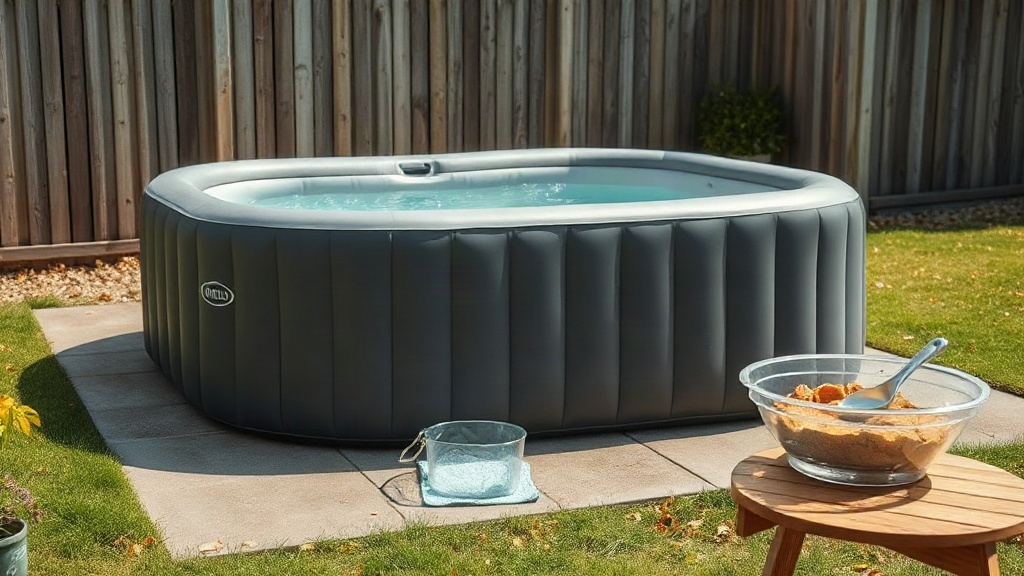
The critical difference that determines which shock treatment your hot tub needs comes down to one chemical fact: potassium monopersulfate (non-chlorine shock) oxidises organic waste but doesn’t sanitise, while chlorine shock both oxidises and sanitises. This single distinction dictates which product is appropriate in which situation, and getting it wrong is why many owners struggle with water quality.
Understanding this chemical split means you’ll stop guessing and start matching the treatment to the actual problem. Neither product is universally better—they’re different tools for different jobs.
How Each Shock Works: The Core Mechanism
Chlorine shock typically uses calcium hypochlorite or dichlor compounds that dissolve to rapidly raise free chlorine levels. Its primary function is sanitisation—destroying bacteria, killing algae, and breaking down chloramines (the compounds responsible for that harsh chlorine smell).
Non-chlorine shock, based on potassium monopersulphate (MPS), contains no chlorine. It works through oxidation, chemically breaking down organic contaminants like body oils, sweat, cosmetics, and ammonia from skin. It clears water and restores clarity without adding to your sanitiser load.
The key insight many miss is that shocking isn’t the same as sanitising. You can oxidise water to crystal clarity and still have bacteria if sanitiser levels are wrong. Conversely, you can raise chlorine high enough to kill everything yet still have hazy water if organics remain unoxidised.
Before adding any shock treatment, check your pH falls within the 7.2–7.6 range recommended by hot tub care guides—both chlorine and MPS perform poorly outside this range. Our guide to balancing your water covers this essential first step.
| Chlorine Shock | Non-Chlorine Shock (MPS) | |
|---|---|---|
| Active ingredient | Calcium hypochlorite or dichlor | Potassium monopersulphate (MPS) |
| Primary function | Sanitising — kills bacteria and algae | Oxidising — clears bather waste and organics |
| Contains chlorine? | Yes | No |
| Effect on free chlorine | Raises it sharply | Minimal to none |
| Best for | Algae, heavy contamination, strong smells | Routine maintenance, dull water, after heavy use |
Non-Chlorine Shock: The Routine Oxidiser
For most UK inflatable hot tub owners, non-chlorine shock serves as the regular maintenance choice. After heavy use—weekend gatherings, multiple bathers, or extended soaking sessions—MPS efficiently handles the increased organic load without disrupting your sanitiser balance.
The advantage lies in quicker re-entry times. Since non-chlorine shock doesn’t significantly raise free chlorine levels, you can typically return to the water within 15–30 minutes depending on your specific product’s instructions. This contrasts with chlorine shock, which requires waiting until sanitizer levels return to the safe range—often taking several hours with the pump running and cover off.
MPS works with any sanitiser system—chlorine granules, bromine tablets, or salt systems—making it particularly useful for bromine users who want to avoid introducing additional chlorine. It oxidises organics and breaks down into sulphate compounds handled by your filter system.
Important limitation: non-chlorine shock won’t fix green water. Algae requires sanitisation, not just oxidation. If your water has turned green, you need the bactericidal power of chlorine shock.
Regular water testing is essential for making informed decisions. Test strips provide quick checks of pH, chlorine, and alkalinity before and after treatment—eliminating chemical guesswork.
Choose non-chlorine shock when:
- Water appears dull or slightly hazy but isn’t green
- You’ve had heavy bather load and want to clear waste quickly
- You need shorter waiting times before reuse
- You operate a bromine or salt system
- Maintaining clarity between deeper cleans
Matching Shock to Problem: The Decision Framework
Rather than rotating shocks arbitrarily, match the product to the specific water condition you’re addressing.
For green water, strong chlorine smells despite maintenance, or cloudiness after neglect: These indicate sanitisation issues—active bacteria, algae establishment, or built-up chloramines. Chlorine shock raises free chlorine sharply to destroy contaminants and break down combined chlorine compounds. Plan for extended waiting periods until levels return to safe bathing range.
For clear but flat-looking water, post-heavy-use refreshing, or weekly maintenance: These represent oxidation needs where water isn’t contaminated but carries normal organic load. Non-chlorine shock clears contaminants efficiently without adding sanitiser burden.
A common error involves defaulting to chlorine shock for routine maintenance. While seemingly logical—more chlorine suggests cleaner water—this approach often causes skin and eye irritation, accelerates component degradation, and creates persistent chlorine odours. Many reports of skin discomfort trace back to unnecessary chlorine shocking when oxidation alone would suffice.
Quick decision guide:
- Green, murky water or strong chlorine smells? → Chlorine shock
- Clear but flat water or heavy recent use? → Non-chlorine shock
- Uncertain? → Test water first—let readings guide treatment
Avoid routine shocking without justification. Test water conditions, then apply specific treatment only when needed.
Avoiding Common UK Hot Tub Mistakes
Several patterns repeatedly cause problems for hot tub owners.
Chemical mixing hazards: Never combine chlorine and non-chlorine shocks simultaneously or mix them in the same container. The reaction can release hazardous gases. Add one product, ensure proper circulation, wait for water to stabilise, then consider the other only if genuinely required.
Inadequate circulation: Both products require thorough water distribution. Add shock treatment with the pump running on high speed for at least 15–30 minutes to prevent concentrated chemical pockets and uneven treatment.
pH neglect: Shocking can alter pH balance, particularly with chlorine-based products. Test before treatment, run the pump after adding, then retest. Correct any pH movement outside the 7.2–7.6 range before use.
Misapplication patterns: Using chlorine shock as regular maintenance often leads to skin irritation and persistent chlorine odours. Reserve it for genuine sanitisation needs rather than routine oxidation.
Pre-drain treatment: Before draining and refilling , shock with non-chlorine product while water remains in the tub. This oxidises accumulated waste in pipework, helping refilled water stay cleaner longer.
Safety notice: Never mix chlorine products with each other or other chemicals. Store shocks separately in cool, dry locations away from sunlight. Follow dosage instructions for your tub’s volume—overdosing can damage seals, covers, and internal components.
Frequently Asked Questions
Can I use non-chlorine shock with a saltwater hot tub?
Yes—non-chlorine shock works well with salt systems, oxidising bather waste without interfering with the salt cell’s chlorine generation. Many salt system owners prefer it specifically because it maintains system balance.
How long before using the tub after shocking?
Timing varies by product. Non-chlorine shock typically allows re-entry within 15–30 minutes (check your product label). Chlorine shock requires waiting until sanitizer returns to safe levels, often several hours. Always test before re-entering.
Will non-chlorine shock clear green water?
No. Green water indicates algae, requiring sanitisation that only chlorine shock provides. Non-chlorine shock oxidises organic waste but doesn’t kill biological contaminants. For green water, use chlorine shock and consider shell brushing. Severe cases may necessitate draining and refilling .
Shock Treatment Comparison
| Feature | Chlorine Shock | Non-Chlorine Shock (MPS) |
|---|---|---|
| Active Ingredient | Calcium hypochlorite or dichlor | Potassium monopersulphate |
| Primary Function | Sanitising — kills bacteria and algae | Oxidising — clears bather waste and organics |
| Contains Chlorine | Yes | No |
| Effect on Free Chlorine | Raises it sharply | Minimal to none |
| Best For | Algae, heavy contamination, strong smells | Routine maintenance, dull water, after heavy use |
| Re-entry Time | Several hours | Around 15–30 minutes |
Where Shock Fits in Your Chemical Strategy
Choosing between chlorine and non-chlorine shock represents one decision within your broader chemical management approach. Non-chlorine shock handles routine oxidation after normal use, while chlorine shock addresses sanitisation emergencies like algae or heavy contamination.
Testing water before treatment remains the most valuable habit—it takes minutes with test strips but eliminates chemical guesswork entirely.
Your shock choice is just one tool in the minimum chemical kit every tub owner needs. Understanding where shock treatment fits relative to other essential chemicals helps build a comprehensive maintenance strategy.
Get the Free Hot Tub Water Checklist to maintain your testing routine before each treatment.
Related Reading
The shock decision forms part of your overall chemical approach. Our guide to The Minimum Chemical Kit for an Inflatable Hot Tub shows where shock treatment sits among other essential products.
Sources & Further Reading
Note: General guidance only, verify details with a qualified professional or official source.