Overdosed the Chlorine? How to Bring Hot Tub Water Back Into Range
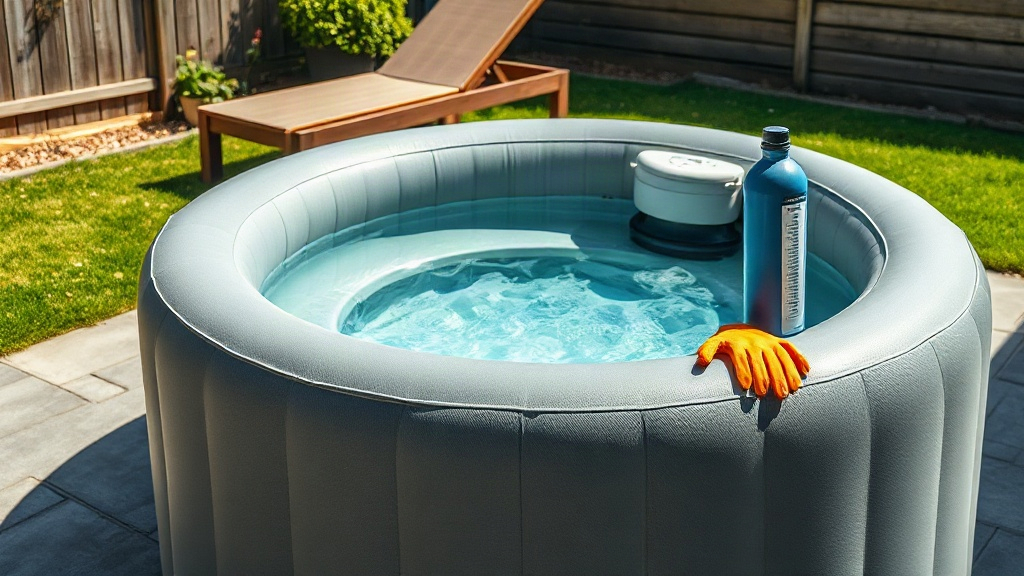
Water becomes unsafe to enter when free chlorine levels exceed 5 parts per million (ppm). This threshold, not the 3 ppm maintenance target, determines whether immediate action is needed or if waiting is an option.
As an Amazon Associate we earn from qualifying purchases. Some links on this page are affiliate links, which means we may earn a small commission if you make a purchase.
What Level is Actually Dangerous?
The effective sanitising range for a hot tub is 3–5 ppm. Readings below this risk inadequate bacterial control, while sustained levels above 10 ppm pose genuine health concerns where irritation becomes more severe.
At elevated concentrations, chlorine can cause skin and eye irritation. The tight, dry feeling sometimes mistaken for hard water can often be traced to high chlorine levels. Significantly exceeding 10 ppm is also associated with accelerated wear on components like rubber seals and the tub’s cover.
A shock dose involves a large, intentional addition of sanitiser for fresh water or after contamination. It is not a routine maintenance tool; using it as a regular top-up frequently leads to overdose situations.
Option 1: Let It Dissipate Naturally
For moderately high readings, passive dissipation is often sufficient. Free chlorine breaks down more quickly in warm, aerated water.
Stop adding chemicals. Remove the cover and run the jets, either continuously or in bursts, to increase aeration. Re-test the water periodically – the rate of decline depends on temperature and aeration, so there’s no universal timeframe. Check every few hours until the reading returns to 3–5 ppm.
The main risk here is undershooting. If chlorine drops below the effective range before you check, bacterial growth can begin in the warm water. Test regularly rather than guessing.
Option 2: Dilute with a Partial Water Change
When levels are significantly above 10 ppm, or you need a quick resolution, dilution is more reliable. Replacing a portion of the water reduces the chlorine concentration.
Drain about a third to half of the water, as many manufacturers suggest for this scenario. Before refilling, consider your source water’s chemistry. If your tap water is hard, it will affect alkalinity and pH. Test the fresh water and balance it if needed before heating the tub. Adding unconditioned water to a sensitive system can create new problems.
After refilling, test and balance the water in this order: first total alkalinity (target 80–120 ppm), then pH (7.2–7.6), and finally recheck chlorine. This sequence is important because alkalinity stabilises pH adjustments.
Lay-Z-Spa’s guidance recommends a partial drain and refill if chlorine exceeds 5 ppm, indicating a cautious manufacturer stance.
Addressing the Underlying Water Balance
An overdose can be a symptom of an underlying imbalance. High pH, for instance, reduces chlorine’s effectiveness, prompting owners to add more sanitiser, which can start a cycle of over-correction.
Start by correcting total alkalinity, as it buffers pH. If it’s low (below 80 ppm), use an alkalinity increaser. If high, a pH reducer like Clearwater pH Minus (paid link) can help, though persistent high alkalinity might need a dedicated product. Once alkalinity is stable between 80–120 ppm, adjust the pH to 7.2–7.6.
Check Clearwater pH Minus price → (paid link)
Basic test strips are adequate for routine monitoring. For greater precision when troubleshooting, a liquid test kit like the Lovibond Pool Water Tester (paid link) offers more accurate readings. Check what a kit actually covers before you buy: that one is a free chlorine and pH tester, twenty tests to a pack, so alkalinity still comes off a strip. The free strips included with some chemicals can be difficult to read accurately.
See Lovibond Pool Water Tester on Amazon → (paid link)
For a clear testing and balancing sequence, Get the Free Hot Tub Water Checklist .
Chlorine Levels and Recommended Actions
| Chlorine Level (ppm) | Status | Recommended Action |
|---|---|---|
| 3–5 | Safe Range | Maintain routine, monitor regularly |
| 5–10 | Elevated | Allow natural dissipation: remove lid, run jets, re-test periodically |
| Above 10 | High | Partial drain and refill with balanced water |
| Below 3 | Low | Add sanitiser to restore effective level |
Frequently Asked Questions
Can I add more chlorine to “burn off” the excess?
No. Adding more chlorine simply increases the concentration. Stop adding chemicals and allow the existing chlorine to dissipate or dilute it.
How long does it take for chlorine to dissipate naturally?
The time varies with water temperature, aeration, and the starting level. Re-test every few hours until the reading is within the safe range. Do not rely on a guessed timeframe.
Will draining some water damage my inflatable hot tub?
Partial draining is part of normal maintenance. Inflatable tubs are designed for it. The key is to balance the new water before heating it to avoid new issues.
Can I use the tub while the chlorine is still high?
It is not advised. Wait until your test reading is back inside the range on your test strip pot and the chlorine label before anyone gets in. Always test first.
My chlorine was fine yesterday and high today — what happened?
Sudden spikes can occur after a shock dose, heavy use, a temperature increase, or if sanitiser granules were added without proper dispersal, creating a localised high concentration.
An overdose indicates it’s time to review your dosing method. Consistently measuring the correct amount prevents recurrence. Our guide on how much chlorine your inflatable hot tub actually needs covers accurate calculation to avoid this situation.
For a quick reference, the Free Hot Tub Water Checklist provides the testing sequence and target ranges.
Related Guides
Sources & Further Reading
- Pool Water Treatment Advisory Group (PWTAG)
- HSE - Chlorine in Swimming Pools
- Lay-Z-Spa Official Support
As an Amazon Associate we earn from qualifying purchases. The products linked above are ones we recommend based on independent research and owner feedback.
Note: General guidance only, verify details with a qualified professional or official source.