Total Alkalinity vs pH: Which to Fix First in a Hot Tub
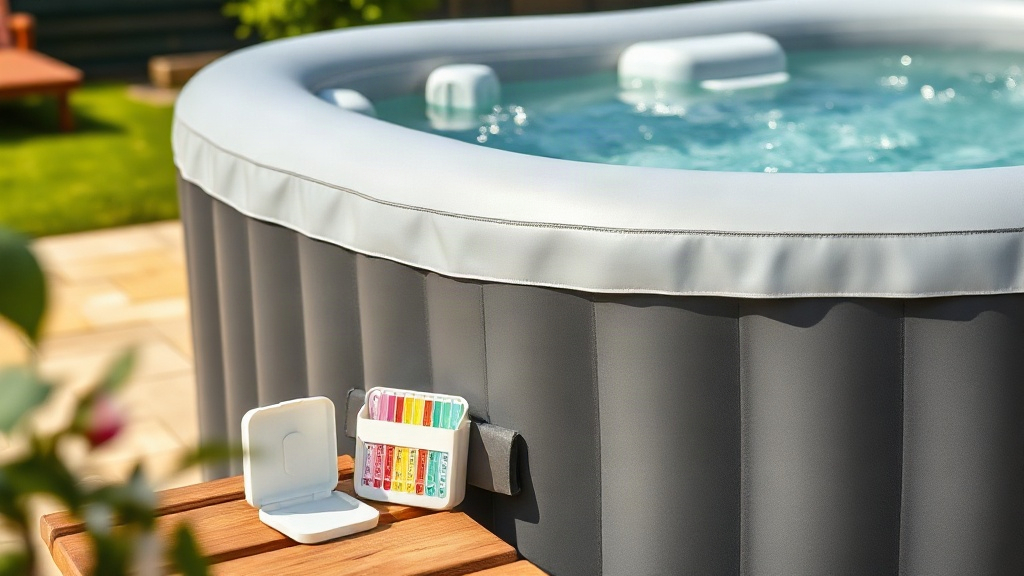
Total alkalinity must be corrected before pH because alkalinity sets the buffering capacity that determines whether pH adjustments will hold. This sequence isn’t just a suggestion; it’s the core mechanism for stable water chemistry.
You might recognise the pattern: test, add pH+, wait, test again—only to find the reading has barely moved or has swung wildly. The culprit is almost always an unbalanced buffer. Without the correct alkalinity level, pH becomes a moving target.
Understanding the Two Key Measurements
While pH gets most of the attention, total alkalinity (TA) does the heavy lifting. TA is the water’s capacity to resist pH change, acting as a chemical shock absorber. pH is simply the measure of how acidic or alkaline the water is at any given moment.
A useful analogy: if pH is the speedometer showing your current speed, TA is the cruise control system that helps maintain it. Without that system, every small change—a dose of sanitiser, a splash of rainwater—sends the reading off course.
According to the Lay-Z-Spa chemical maintenance guide, the target ranges are total alkalinity at 80–120 ppm and pH between 7.2 and 7.6. These figures create the environment where sanitisers work effectively and equipment is protected.
The Mechanism: Why Sequence Matters
The chemical relationship is straightforward: alkalinity buffers pH. When TA is within the correct range, it absorbs the acids and bases that would otherwise cause pH to fluctuate. This stability is what makes weekly maintenance possible rather than daily corrections.
Attempting to adjust pH without first establishing this buffer is fundamentally inefficient. The pH might shift temporarily, but without the buffering capacity to hold it in place, it will quickly drift back. This explains the common experience of adding chemicals repeatedly with no lasting effect.
The correct order—TA first, then pH—is confirmed by manufacturer guidance. The Lay-Z-Spa manual explicitly states to start with total alkalinity, aiming for 80–120 ppm, before addressing pH levels.
Consequences of Incorrect Ordering
Getting the sequence wrong has tangible consequences for both water quality and equipment longevity.
When pH is unstable due to low alkalinity, sanitiser effectiveness drops significantly. Chlorine and bromine require a stable pH within the 7.2–7.6 range to work properly. Outside this window, their ability to kill bacteria is greatly reduced, even if test strips show sanitiser is present.
Equipment suffers too. Low alkalinity allows pH to swing into corrosive acidic ranges, which can damage pump seals and jet housings over time. High alkalinity, meanwhile, encourages scale formation on heater elements. While scale risk is well-documented, the specific claim that it’s the most common cause of heater failure is an overstatement—equipment failure usually results from multiple factors.
The practical cost is measured in time and wasted chemicals. Corrections that don’t stick lead to over-dosing, which can create new problems requiring even more treatment. Following the correct sequence with proper waiting times between steps—typically allowing a few hours for circulation—uses less product and delivers more reliable results.
Correcting Your Water Balance
Follow this sequence for stable, manageable water chemistry.
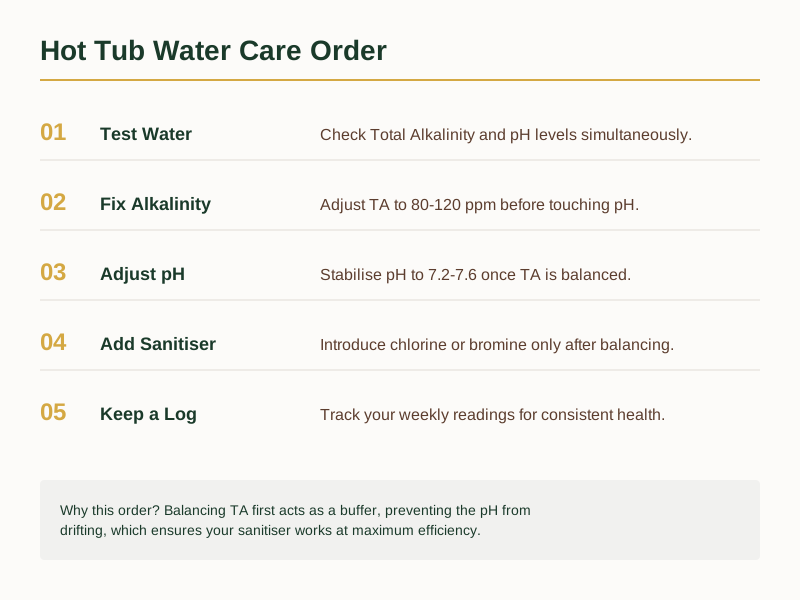
- Test Both Parameters: Use test strips to check both TA and pH simultaneously before adding any chemicals.
- Adjust Total Alkalinity First: If TA is outside the 80–120 ppm range, use a TA increaser or reducer according to your tub’s volume. Circulate the water with the jets running and wait the recommended time before retesting. Repeat until TA is stable within range.
- Then Adjust pH: With a stable buffer in place, pH adjustments become predictable. Use pH Plus or pH Minus as needed, circulate, wait, and retest.
- Add Sanitiser Last: Once both TA and pH are stable, add your chlorine or bromine. Retest pH afterwards, as some sanitisers can cause a slight shift.
- Maintain a Log: Keeping a simple record of your readings helps identify patterns and catch drifts before they become problems.
This methodical approach transforms water maintenance from a guessing game into a predictable routine.
Common Questions Answered
Does pH Minus affect alkalinity?
Yes, pH Minus (sodium bisulfate) also reduces total alkalinity. For minor corrections where both pH and TA are slightly high, it can serve a dual purpose. For significant alkalinity reduction, a dedicated TA reducer offers better control.
How frequently should testing happen?
A weekly check is a common recommendation for a tub in regular use. Test immediately after heavy use or if you notice water cloudiness, foam, or odours. For a fresh fill, testing twice in the first week can help establish stability, though the specific twice-weekly claim is a general guideline rather than a rigid standard.
Does the sequence change for new water?
No. The same order applies to a brand-new fill: balance TA first, then pH, then add sanitiser. Adding sanitiser to unbalanced water is less effective and often requires higher doses.
Visual Guide to Water Parameters
| Parameter | Target Range | Primary Function |
|---|---|---|
| Total Alkalinity (TA) | 80–120 ppm | Buffers pH, preventing rapid swings |
| pH Level | 7.2–7.6 | Indicates water acidity/alkalinity |
| Sanitiser Effectiveness | Optimal in correct pH range | Kills bacteria and controls algae |
| Equipment Protection | Maintained by stable chemistry | Prevents corrosion and scaling |
The Bigger Picture of Water Balance
The principle that alkalinity governs pH stability is the foundation of predictable water care. By addressing the buffer first, you create conditions where pH corrections are effective and lasting.
This correct order is one essential step within the full water-balancing sequence. For a complete guide that shows how TA and pH correction fit alongside managing calcium hardness and total dissolved solids, our Hot Tub Water Balance guide provides the broader context.
Related Reading
Sources & Further Reading
Note: This article provides general guidance. Always verify specific procedures with your hot tub’s manual or a qualified professional.