Why Is My Inflatable Hot Tub Foamy? The Usual Causes, in the Order to Check Them

As an Amazon Associate we earn from qualifying purchases. Some links on this page are affiliate links, which means we may earn a small commission if you make a purchase.
Many owners see foam and immediately reach for anti-foam chemicals, adding more solution to water already overloaded with residues. The cheaper, more effective first fix is usually simpler: reduce what you’re putting in and rinse more thoroughly.
Buy Clearwater Foam Remover on Amazon → (paid link)
Foam in an inflatable hot tub is almost never a chemical problem. It’s almost always a surfactant problem — detergent residue from swimwear, body oils, or water that’s been in the tub too long. The jets in any spa whip those surfactants into bubbles, and an anti-foam such as Clearwater Foam Remover (paid link) just breaks the bubbles temporarily. It doesn’t remove the cause.
Here’s the UK owner-approved order to check the real causes before you spend money on a quick fix that doesn’t fix anything.
Foam is usually caused by detergent residue on swimwear, according to Lay-Z-Spa’s water problem chart which advises showering and avoiding detergents.
Dealing with Detergent and Body Products
Surfactants are compounds that lower water’s surface tension, allowing soap to lift dirt. In your tub, they let jets trap air and create foam.
The most common source is detergent residue on swimwear. Even if your swimsuit looks clean, washing it with standard detergent leaves surfactants in the fabric. Body products like moisturiser, sunscreen, and fake tan also contribute significantly when they wash off during use.
The straightforward fix involves rinsing swimwear in clean water before use or washing it with a detergent-free product designed for technical fabrics. This simple change often resolves the issue without needing chemicals or shocking the water.
Checking Your Filter and Circulation
If swimwear and body products aren’t the main culprits, check your filter next. A dirty or clogged filter can’t remove oils and debris effectively, simply recirculating the surfactants that get whipped into foam.
Look for visible debris, hair, or a slimy coating on the pleats. Rinse the filter thoroughly with cold water (no soap) and reinstall it. For Lay-Z-Spa models, this means the Lay-Z-Spa Filter Cartridge Type VI (paid link); CleverSpa tubs use the CleverSpa Filter Cartridge (paid link).
Check Lay-Z-Spa Filter Cartridge Type VI price → (paid link)
Cleaning a neglected filter typically reduces foam but rarely eliminates it completely if surfactants remain in the water. If foam decreases but persists after cleaning, investigate further causes.
Assessing Water Age and Chemical Balance
Water that has been sitting warm for months accumulates dissolved solids from soaks, products, and top-ups. Older water foams more readily as filtration becomes less effective.
While there’s no absolute rule, if water appears cloudy, smells off, or has been in the tub for three to four months without a full drain, it’s time for a refresh, as multiple hot tub guides confirm.
Chemical balance also affects foam formation. If pH strays from Lay-Z-Spa’s recommended 7.2–7.6 range, sanitizer works less effectively. Total alkalinity should be maintained at 80–120 ppm according to Lay-Z-Spa’s official guidance, not the previously stated 100–150 ppm.
Use test strips like Clearwater Test Strips (paid link) to check both parameters. If alkalinity is high, address it first (check if your pH-minus product handles alkalinity), then adjust pH accordingly.
View Clearwater Test Strips on Amazon → (paid link)
Proper Anti-Foam Use as Last Resort
After addressing clean swimwear, clean filters, and fresh balanced water, anti-foam can serve as a legitimate last resort. It breaks surface tension to clear existing bubbles but doesn’t remove the underlying surfactants.
Follow the dosage instructions for your water volume precisely. Shake the bottle if directed, and run jets briefly after adding to ensure proper distribution. Avoid overusing anti-foam, as excess can leave its own residues.
Used without addressing root causes, anti-foam provides only temporary relief, with foam typically returning by the next use.
Answering Common Foam Questions
Can hard water cause foam in a hot tub?
Hard water tends to cause scale and cloudiness rather than foam. Foam almost always stems from surfactants like detergents, oils, or residues, as confirmed by Lay-Z-Spa’s troubleshooting guidance. Soft water might make existing foam more visible but doesn’t create it.
How often should I drain and refill my inflatable hot tub?
Follow your manufacturer’s recommended interval, changing water sooner if it becomes cloudy, smells bad, or resists balancing. Heavy usage may necessitate more frequent draining.
Will adding more chlorine fix foamy water?
No. Chlorine sanitizes but doesn’t remove surfactants. Extra chlorine won’t break down detergent residue or body oils.
Is foam dangerous to my health?
The foam itself consists of air bubbles and isn’t directly harmful according to general spa safety guidance. However, foam indicates water quality issues where surfactants might harbor bacteria if sanitizer effectiveness is compromised. Address the cause rather than just the symptom.
Can I use dish soap to fix foam?
Absolutely not. Dish soap is a powerful surfactant that would create significantly more foam, consistent with standard chemistry principles. Never use household cleaning products in a hot tub.
Quick Reference: Foam Check Order
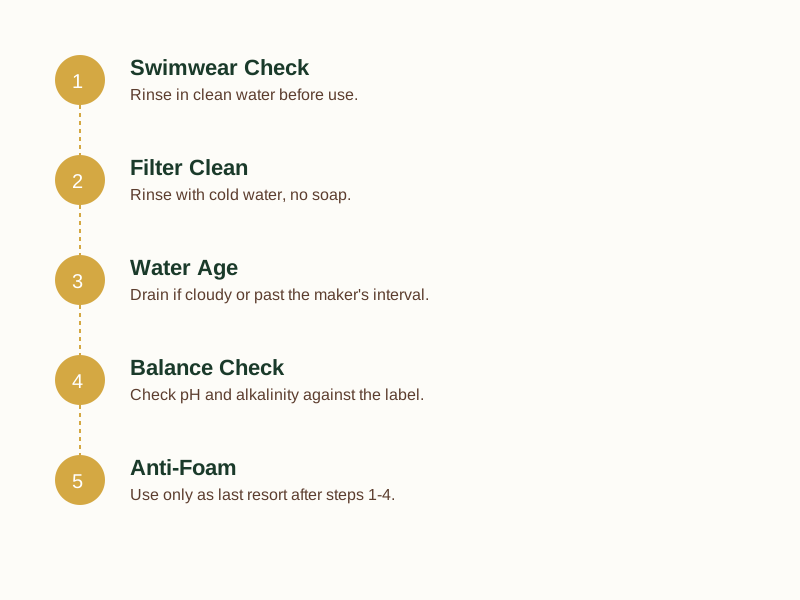
| Step | Check | Action |
|---|---|---|
| 1 | Swimwear | Rinse in clean water before use |
| 2 | Filter | Rinse with cold water, no soap |
| 3 | Water Age | Drain if cloudy or >3-4 months old |
| 4 | Balance | Check pH (7.2-7.6) and Alkalinity (80-120ppm) |
| 5 | Anti-foam (paid link) | Use only as last resort after steps 1-4 |
Developing Better Hot Tub Habits
The most effective foam prevention comes from changing your approach before each soak rather than reacting with chemicals afterward. Make pre-use rinsing and reduced product loading your standard practice.
This behavioural shift costs nothing compared to repeatedly purchasing anti-foam and actually solves the problem at its source. The habit of rinsing swimwear and showering before entering becomes your primary defence.
If you’ve worked through this checklist and foam persists, or if water balancing proves challenging, our free checklist walks you through the complete water care routine.
Grab the Free Hot Tub Water Checklist — it covers all checks in order with necessary figures and dosing reminders.
Related Guides
For a complete overview, see our Cloudy, Foamy, Green or Smelly? How to Tell Which Hot Tub Water Problem You Have .
Sources & Further Reading
As an Amazon Associate we earn from qualifying purchases. The products linked above are ones we recommend based on independent research and owner feedback.
Note: General guidance only, verify details with a qualified professional or official source.